Some progress, but far from enough.
When I travelled to Belém for COP30, I carried the same fear many climate educators carry today. The science shows we are heading toward a 2℃ temperature rise, and our communities are nowhere near prepared for what that means. I expected tough negotiations. I expected difficult compromises. What I did not expect was how clearly the events outside the conference would expose the weaknesses inside it.
But let's first start with the positives. The negotiations produced a few steps forward. More than 80 countries committed to continue planning the transition away from fossil fuels, with a global meeting already scheduled for April 2026. The Adaptation Fund secured 134.93 million dollars in new pledges, although the target was more than twice that amount (Adaptation Fund 2025). The adaptation text finally recognised intergenerational equity and Indigenous knowledge, and the Gender Action Plan gained renewed attention. These were important gestures. They showed that multilateral cooperation is still possible when countries recognise the urgency and act
But even with these steps, something essential was missing. Climate education was almost invisible. Action for Climate Empowerment (ACE)¹ appeared briefly in the discussions and disappeared again. No clear strategy. No financing. No urgency. It was impossible to ignore this silence, especially because the world outside the Blue Zone was experiencing climate disaster in real time.
Jamaica was being battered by Hurricane Melissa, a Category 5 storm. At least 32 people died, according to national disaster authorities and local reporting (Jamaica Gleaner 2025; Jamaica Observer 2025). Reuters estimated the damage between six and ten billion dollars (Reuters 2025). Entire communities were left without power, drinking water or shelter.
Meanwhile, in the Mount Elgon region of Uganda and western Kenya, landslides were tearing through villages. At least 20 people died in eastern Uganda according to the Uganda Red Cross Society, while BBC Africa reported many more missing across the border (Uganda Red Cross Society 2025; BBC Africa 2025). Homes, roads and crops vanished overnight.
These events were not abstract examples from a distant future. They were happening during the week when the so-called world leaders held their summit, when we sat in rooms arguing over wording. And they revealed what happens in a world where climate education is weak. Disaster warnings arrive late or not at all. Households do not trust alerts. Families hear "evacuate" but have no safe place to go. Communities simply do not have the information or the options they need to act. If this is what 1.3℃ looks like, we should be terrified of 2℃.
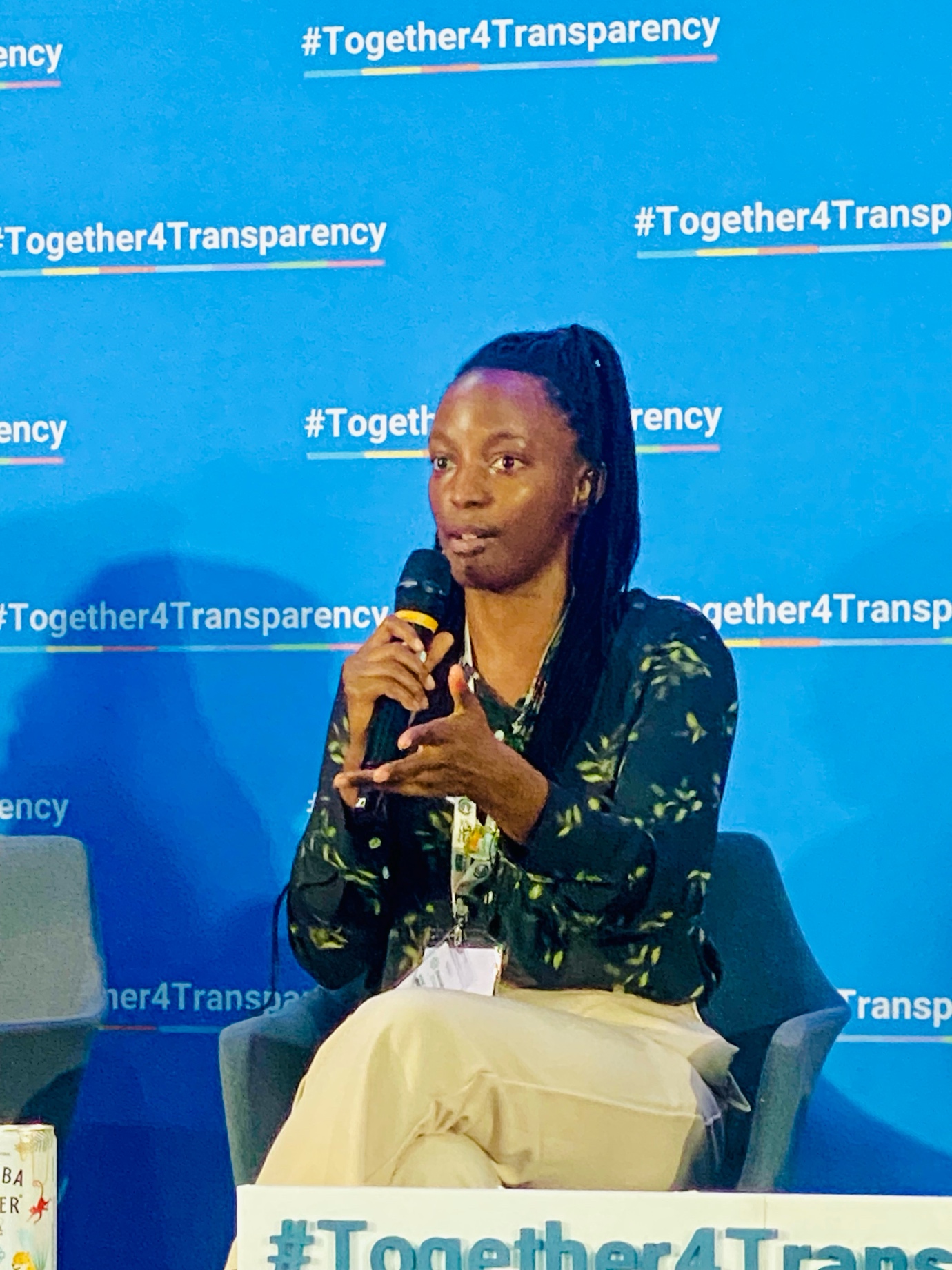
These disasters made it impossible for me to treat climate education as a side issue. They became the lens through which I saw the entire summit.
Voices pushed aside and voices that refused to stay quiet.
That lens sharpened even further one evening inside the Blue Zone. Indigenous leaders from the Amazon region, after being blocked at security checkpoints throughout the day, forced their way into the venue. The sun had already set and delegates were moving between pavilions. The group pushed through the checkpoint carrying placards and calling for attention. They spoke about land loss, broken promises and violence. They refused to be pushed aside. In that moment, the contrast between the official silence on ACE and the people demanding to be heard could not have been clearer.Language Translation
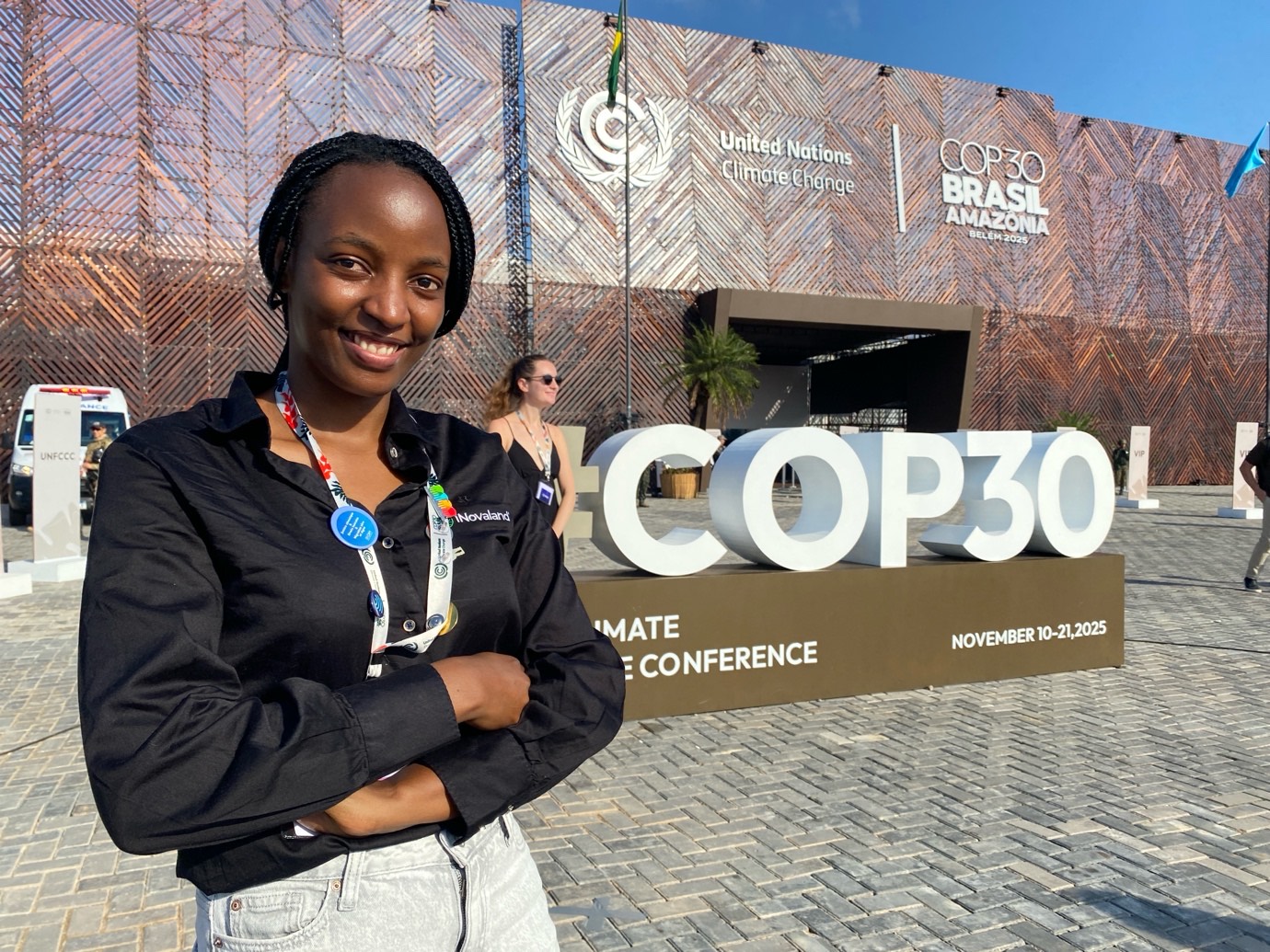
Later, away from the tension, I spoke with Breno, a young Brazilian leader. I asked him how he felt about ACE being sidelined again. His answer stayed with me. He said many leaders avoid strong climate education because informed communities challenge harmful projects and demand accountability. When official spaces stay quiet, he said, people educate each other through action. The protest, in his eyes, was a form of teaching that the negotiations had failed to deliver.
A Kenyan youth leader, Rogito, shared another perspective that stayed with me. He said that in Africa, climate education must come first. If communities understand risks, politics and science in their own languages, the rest of climate action becomes possible. Without that understanding, nothing works. Those conversations stayed with me because they explained something the negotiations never admitted. The gap in climate education is not accidental. It is political.
By the end of COP30, the final decisions confirmed how far we still are from readiness. References to fossil fuels disappeared from the text. Adaptation indicators were cut from one hundred to fifty-nine. Finance commitments remained far below what frontline communities need. The world outside was burning and flooding. Inside, the tools people need to survive were barely mentioned.
Why iBerry's support matters now more than ever.
This is exactly why I want to thank iBerry. You support young educators and grassroots leaders at a time when governments continue to treat climate education as optional. You provide a platform where they can exchange knowledge, strengthen their work and reach communities that the formal system often overlooks.With your support, Vital Crest is taking climate education directly into villages, schools and local government spaces. We create simple materials in local languages. We work with teachers and young people. We guide farmers and families living in high-risk areas to recognise danger signs in their landscapes. We sit with local leaders to help them explain climate information clearly and build trust with the people they serve. We bring Indigenous knowledge into the learning process in practical, respectful ways. Your support helps us reach people who are often the last to receive life-saving information.
Climate education is not separate from adaptation or mitigation. It is the foundation that everything else relies on. Without it, early warning systems do not work. Renewable energy transitions fail at community level. Food and water systems remain fragile. People face repeated shocks without understanding why. COP30 made this impossible to ignore. A 2℃ future is coming, and many communities still lack the knowledge and choices they need to survive it.
iBerry's support is helping close that gap one school, one community and one young educator at a time. Thank you for standing with grassroots educators when many formal spaces do not. The work ahead is large, but we are ready.
About Vital Crest
Vital Crest Foundation is a women-led nonprofit advancing inclusive, community-rooted climate and environmental solutions across Africa. Our mission is to ignite sustainable, just, and locally driven change through dialogue, leadership development, and practical action. We work with communities, public institutions, and civil society to strengthen resilience, restore nature, and amplify civic voice.References
- The United Nations Framework Convention on Climate Change (UNFCCC) uses the term Action for Climate Empowerment (ACE) as a whole of society framework to empower all members of society to engage in climate action, through the six ACE elements - climate change education and public awareness, training, public participation, public access to information, and international cooperation on these issues.
- BBC Africa. 2025. "Agony for families as landslide death toll climbs in Uganda and Kenya." Jamaica Gleaner. 2025. Hurricane Melissa reporting, October 2025.
- Jamaica Observer. 2025. "Hurricane Melissa causes massive destruction."
- Reuters. 2025. "Jamaica counts cost after Hurricane Melissa."
- Uganda Red Cross Society. 2025. Landslide situation updates, eastern Uganda.
- Adaptation Fund (UNFCCC). 2025. Public pledge updates released during COP30.
- UNFCCC